

Articulated Fingers Sex Doll Guide: Are They Worth It?
Yes. Articulated fingers are worth the upgrade if realism, posing, or photography matter to you. A stainless steel finger skeleton lets a doll’s hand curl, grip, and hold a natural resting position the way stiff wire cores never quite manage, and it holds up longer under normal handling.
- Realism: fingers bend at the same points human fingers do
- Grip: hands can hold light props, phone, or clothing for photos
- Durability: riveted steel joints resist the loosening that plagues wire cores
Pro Tip: If photography is the whole point, fingertip shell detail and joint count matter just as much as what’s happening inside the hand.
Key Takeaways
Articulated stainless steel finger skeletons outperform wire cores on realism, grip, and long-term durability, making them the right upgrade for photography-focused and collector buyers.
| Point | Details |
|---|---|
| Verdict | Articulated fingers are worth the upgrade for realism, posing, and photography priorities. |
| Construction | Riveted steel joints and ball-joint systems outlast single wire cores. |
| Capability limit | Hands pose and grip light objects but cannot bear real weight. |
| Buying checklist | Confirm skeleton material, joint count, fingertip shell type, and repair policy before ordering. |
| Youqdoll option | Scarlett, Tiffany, and Carla all offer articulated-finger skeletons with custom fingertip choices. |
Table of Contents
- What Is an Articulated Fingers Sex Doll, Exactly?
- Can Articulated Fingers Really Pose and Hold Objects?
- Why Articulated Fingers Improve Realism and Photos
- Wire Cores, Riveted Joints, and Ball Joints Compared
- How Do You Maintain and Repair Articulated Hands?
- What Should You Ask Before Buying an Articulated Hand?
- How Youqdoll Approaches Articulated Finger Design
- Ready to Choose a Doll With Articulated Fingers?
- Sources
What Is an Articulated Fingers Sex Doll, Exactly?
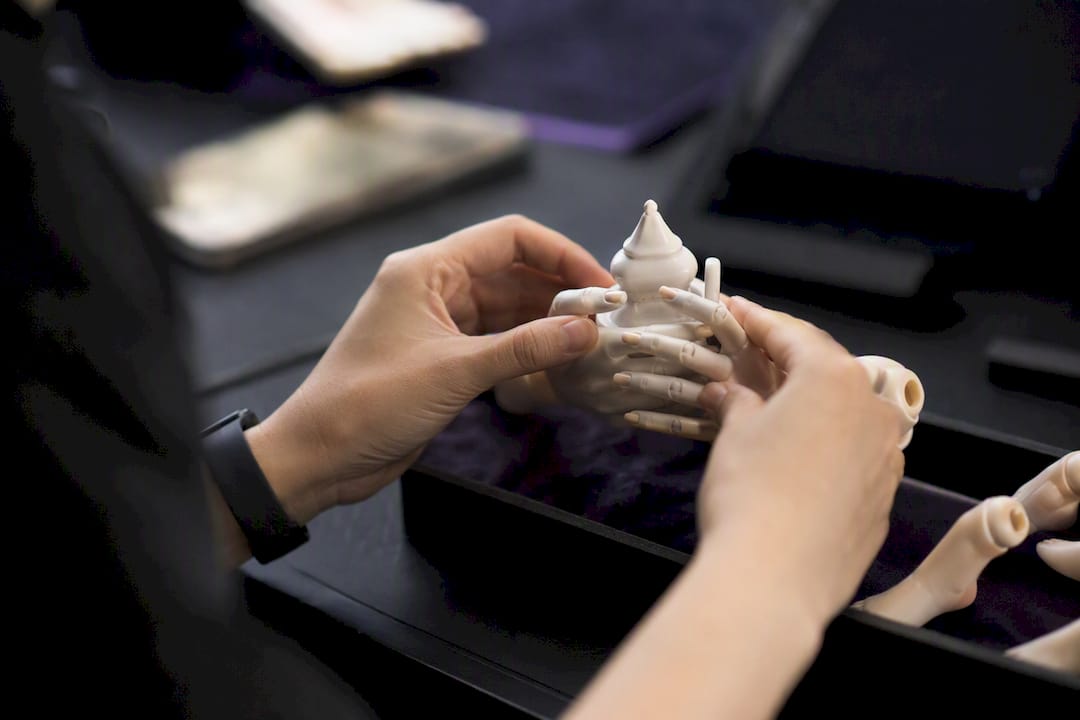
An articulated fingers sex doll uses a jointed internal hand skeleton, usually stainless steel, instead of a single bendable wire running through each finger. Each finger gets its own set of joints, so it curls and rests the way a real hand does rather than kinking at one weak spot.
Entry-level skeletons typically rely on a stiff wire core per finger. It bends, technically, but not where a finger actually bends, and community reports from long-time collectors describe these wires loosening or holding an unnatural curve after repeated use. Mid-tier and premium builds replace that wire with individually riveted joint links, often three per finger, mirroring the proximal, middle, and distal joints on a human hand. Some premium skeletons go further with ball-joint systems at the wrist and knuckles, which is how manufacturers now advertise double-jointed limbs and rotating wrists as tier-defining features rather than luxury extras.
- Wire core: single bendable rod, cheapest, least durable
- Riveted joints: individual links pinned together, three joints per finger is common on quality builds
- Ball-joint systems: rounded pivot points at knuckles and wrists for smoother, more natural motion
The fingertip itself is usually a separate silicone or TPE shell fitted over the metal skeleton’s tip, which is what actually contacts skin, fabric, or a camera lens.
Pro Tip: Ask for a close-up photo of the hand at rest. A well-built articulated hand naturally curls slightly at rest, the way yours does. A wire-core hand usually looks stiff and flat.
Can Articulated Fingers Really Pose and Hold Objects?
Within limits, yes. A quality articulated hand can hold a natural curl, grip a phone, hold a small prop, or rest against a body in a pose that looks convincing on camera. That range of motion is exactly what separates a display-ready doll from one that just sits there.
What it can’t do is bear real weight. These are cosmetic and posing skeletons, not load-bearing tools.
- Good for: photography poses, display shots, holding light props or fabric, roleplay gestures
- Not good for: gripping anything heavy, sustained pressure on one joint, hyperextending a finger backward
Pro Tip: For heavier props like a book or a bottle, brace the object against the palm or forearm instead of relying on finger grip alone. That keeps the load off the fingertip joints entirely.
| Point | Details |
|---|---|
| Range of motion | Natural curl and static poses work well for photos and display. |
| Weight limits | Fingers grip light objects only; heavier items need palm or arm support. |
| Failure risk | Forcing a joint past its natural bend is the fastest way to damage it. |
Why Articulated Fingers Improve Realism and Photos
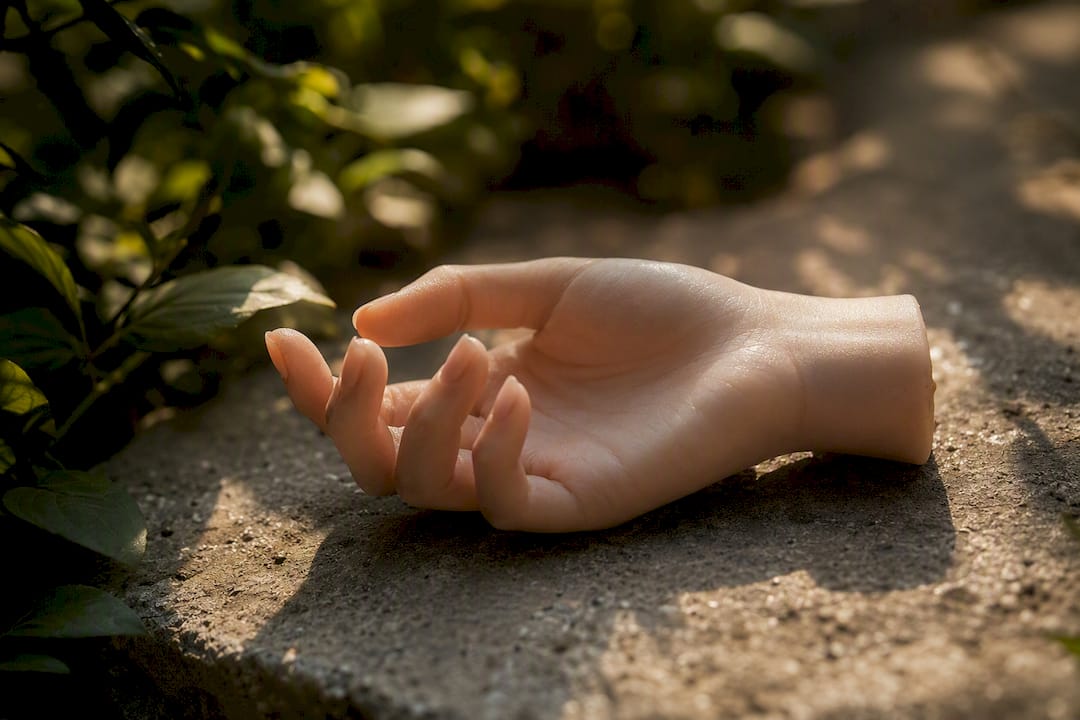
The difference shows up most in the resting pose. A hand with proper joint articulation settles into a slight, natural curl instead of lying flat, and that alone changes how lifelike a doll looks in still photos.
For photographers and collectors, this translates directly into fewer awkward angles and less retouching. A hand that can hold a natural gesture means one less thing to fight with during a shoot.
- Realism: natural resting curl instead of a flat, mannequin-like hand
- Photography: hands can hold gesture-appropriate poses, reducing prop-wrangling and touch-ups
- Durability: riveted steel resists the loosening that wire cores are known for over time
- Trade-off: articulated skeletons add weight and cost versus simple wire hands
A hand that bends where a real hand bends is not a luxury detail. It is the difference between a doll that photographs like a mannequin and one that photographs like a person.
Wire Cores, Riveted Joints, and Ball Joints Compared
Manufacturers market finger skeletons across a rough three-tier spectrum, and knowing where a listing falls tells you a lot before you ever touch the doll.
- Entry-level: single wire per finger, cheapest option, prone to loosening and unnatural bends over time
- Mid-tier: riveted articulated joints with individual links per finger segment, better realism and much better durability
- High-end: ball-joint or multi-link steel skeletons at the finger and wrist level, offering the widest range of natural motion
Fingertip shells vary too. Seamless silicone caps look the most realistic but show wear fastest under repeated flexing. Reinforced tips last longer but can feel slightly less soft. Some premium models now offer replaceable fingertip covers, which is worth asking about if you plan heavy use.
| Tier | Skeleton Type | Typical Durability |
|---|---|---|
| Entry-level | Single wire core | Loosens and bends unnaturally with repeated use |
| Mid-tier | Riveted joint links | Holds shape well under normal handling |
| High-end | Ball-joint multi-link steel | Widest range of motion, most resistant to loosening |
How Do You Maintain and Repair Articulated Hands?
Most damage to articulated fingers comes from three sources: water getting into the joint mechanism, forcing a bend past its natural range, and simple wear on the fingertip shell over years of use.
Watch for these warning signs:
- A joint that feels loose or wobbly compared to the others
- A fingertip shell with visible tearing or thinning at the crease
- Any grinding or resistance when bending a finger gently
Follow this basic care routine:
- Keep water away from the hand’s internal joint mechanism during cleaning
- Clean fingertip shells gently with mild soap and a soft cloth, then dry fully
- Store the doll with hands supported flat or gently curled, never bent at an extreme angle
- Contact the manufacturer at the first sign of a loose rivet rather than continuing to flex it
Pro Tip: A loose joint rarely fixes itself and almost always gets worse with continued use. Flag it early and ask about repair options before the fingertip shell tears from the extra stress.
Never force a hyperextension to get a pose, and keep anything sharp away from the fingertip shells. A small nick in the silicone or TPE cap can spread into a tear surprisingly fast.
What Should You Ask Before Buying an Articulated Hand?
A few direct questions to the seller will tell you more than any spec sheet.
- Is the skeleton stainless steel, and how many joints does each finger have?
- What is the fingertip shell material, silicone or TPE, and can it be replaced separately?
- Is there a repair or replacement policy specifically for hand and finger damage?
- Can you provide close-up photos or video of the hand posing before I order?
Run through this checklist in order:
- Confirm skeleton material and joint count per finger
- Ask about weight limits for grip and holding poses
- Check the wrist attachment type and how it connects to the arm skeleton
- Verify shipping protections and warranty terms for articulated parts specifically
If you’re new to dolls generally, know that a standard poseable skeleton with durable joints suits most first-time buyers just fine, and articulated fingers become the priority once photography or fine posing enters the picture.
How Youqdoll Approaches Articulated Finger Design
Youqdoll builds its articulated-finger options around the same principle collectors care about: joints that bend where real fingers bend, not where a wire happens to give. The brand’s craftsmanship process covers skeleton material choices and finger articulation as part of standard customization, not an obscure add-on buried in fine print.
- Full customization of body, skin tone, and hand detail alongside skeleton choice
- Discreet shipping and a satisfaction guarantee backing every order
- Support available for repair questions specific to hand and joint wear
Pro Tip: When you contact support about a custom order, ask specifically about fingertip shell material and joint count. Getting that answer in writing before you buy saves confusion later.
| Point | Details |
|---|---|
| Customization | Body, skin, and hand articulation are configured together, not sold separately. |
| Support | Repair and replacement questions are handled directly by the manufacturer. |
A Collector’s Take on Posing and Prop Shots
Photographers and collectors tend to use articulated hands the same way: settle the doll into a seated or standing pose, curl the fingers around a prop, then adjust wrist angle for the shot. The extra cost and slightly heavier hand pay off the moment you see the final photo look natural instead of stiff.
Ready to Choose a Doll With Articulated Fingers?
If everything above sounds like exactly what you want in a doll’s hands, three Youqdoll models deliver it now. The Scarlett 166cm Silicone Sex Doll and Tiffany 166cm Silicone Sex Doll both come with articulated-finger skeletons built for natural posing and grip, while the Carla 166cm Silicone Sex Doll rounds out the lineup for buyers comparing sculpt and skin tone options side by side.

Every order ships discreetly, and Youqdoll backs it with a satisfaction guarantee, so you’re not gambling on photos alone. If you want a custom fingertip shell material or a specific joint configuration, reach out to sales before checkout. That conversation, not the product listing, is where the fine details of a hand actually get locked in. Browse the Scarlett product page now to check current availability and customization options.
Sources
- The Best and Most Realistic Sex Dolls in 2026
- What Sex Doll is Right for Me? - Rocky Mountain Toy Review