

Custom Sex Doll Cost: Real Budgets from $800 to $6,000
Most custom sex dolls cost between $800 and $6,000, with the biggest jump coming from material choice, not customization. Entry-level TPE dolls start at more affordable price ranges, mid-tier silicone builds are typically priced in the mid range, and premium dolls with implanted hair, articulated skeletons, and full facial sculpting are more costly. YouQDoll offers direct custom ordering across these tiers, so you can see real numbers before committing to a spec.
TL;DR:
- Material choice and skeleton type are the primary cost drivers, with silicone being more expensive but offering better realism and durability.
- Custom features like implant hair, full face sculpting, and heating modules can add several hundred dollars but significantly enhance realism.
- Shipping costs vary greatly based on doll weight and size, with heavier and taller designs costing more to ship and sometimes incurring customs fees.
- Buyers should prioritize material and skeleton quality over cosmetic details, as these impact long-term satisfaction and maintenance needs.
- Confirm production photos and material swatches before final payment to avoid costly surprises and ensure the final doll matches expectations.
Table of Contents
- Custom Sex Doll Cost by Budget Tier: Entry, Mid, and Premium
- What Affects Cost: Materials, Skeletons, Size, and Realism Features
- Customization Add-Ons and What They Typically Cost
- Ordering, Lead Times, and Shipping Costs to Expect
- Payment Plans, Warranties, and Repair Costs
- How to Budget: Prioritizing Features That Actually Matter
- Why YouQDoll Is Built for Transparent Custom Orders
- Maintenance and Long-Term Ownership Costs
- How to Start a Custom Order With YouQDoll
- The One Thing Buyers Get Wrong About Custom Doll Pricing
- Sources
Custom Sex Doll Cost by Budget Tier: Entry, Mid, and Premium
Your budget determines far more than doll quality. It decides the material, the skeleton, the level of facial realism, and how much say you get in the final look.
Entry level ($800 to $1,800): This tier is almost entirely TPE (thermoplastic elastomer) territory. You get a full-size doll, a basic skeleton with movable joints, and a limited set of face and body options chosen from existing molds rather than custom sculpting. Skin tone and hair color are usually adjustable, but expect fewer options for things like areola detail, vein texture, or lip pigmentation.
Mid-tier ($2,000 to $3,500): This is where silicone starts to dominate the market, and where most serious buyers land. Mid-tier dolls typically include a more articulated skeleton, better facial customization (choosing from a wider catalog of face molds), and improved skin texture. TPE options in this range usually add premium features like heating elements or a more advanced joint system.
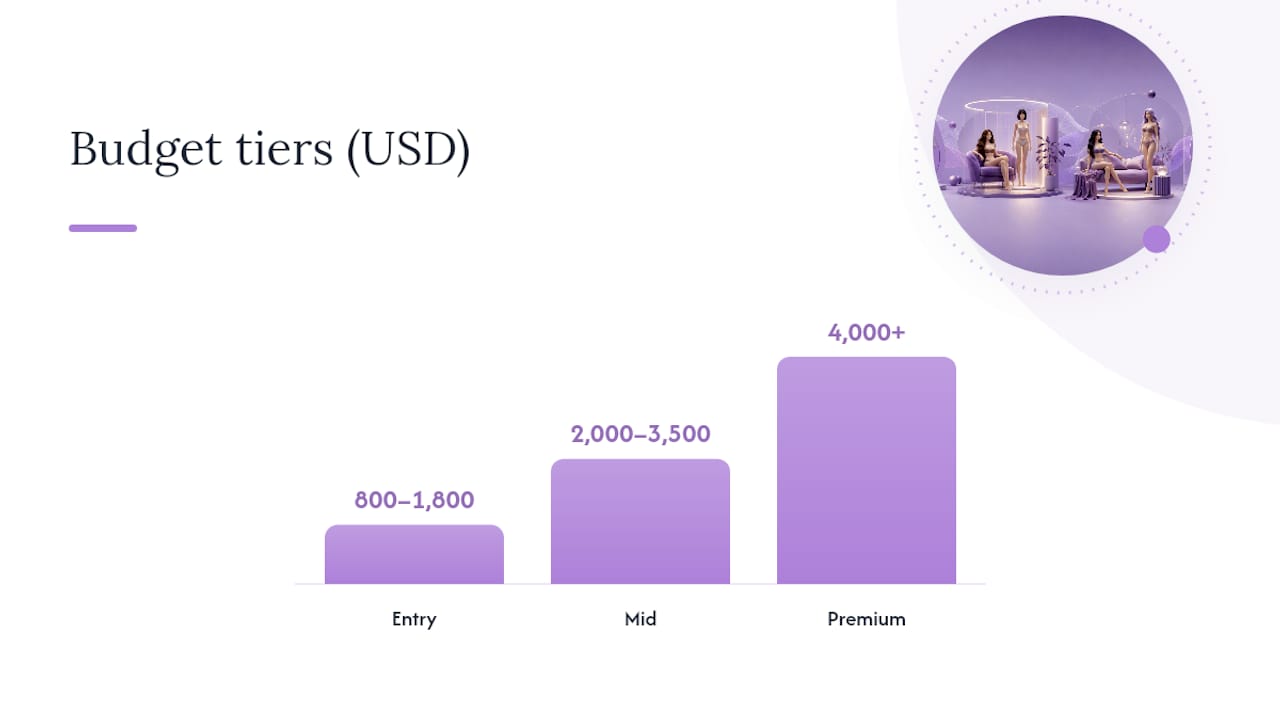
Premium ($4,000 and up): Full bespoke sculpting enters the picture here. You’re paying for a face built from your reference photos, implanted hair strand by strand instead of a glued-on wig, and often a fully articulated skeleton that holds complex poses. Some premium builds run past $5,000 once you stack multiple high-end add-ons.
A few things shape where you land inside these bands:
- Material is the single biggest lever. Moving from TPE to silicone alone can add several hundred to over a thousand dollars.
- Height and weight matter more than people expect. A 5’2" doll and a 5’8" doll in the same product line can differ by hundreds of dollars because of material volume and shipping weight.
- Skeleton type separates a basic bendable frame from one engineered to hold standing or kneeling positions.
- Face customization depth ranges from picking a stock face to commissioning a sculpt based on a real photo.
- Cosmetic add-ons like tattoos, freckles, or specific nail and lip colors are usually cheap individually but add up fast when you stack several.
TPE dolls run 20% to 40% cheaper than a comparable silicone build, which explains why so many first-time buyers start there. But silicone holds detail longer, resists staining better, and tends to be the material collectors and long-term owners gravitate toward once they’ve owned a TPE doll and felt its limits.
What Affects Cost: Materials, Skeletons, Size, and Realism Features
Four variables drive nearly all the price difference between a $900 doll and a $4,500 doll: material, skeleton, size, and realism upgrades.
Material. TPE is softer, cheaper to produce, and easier on a first budget. Silicone costs more to manufacture, holds fine detail (pores, veins, lip texture) with more precision, and resists odor absorption better over years of use. Buyers focused on long-term durability and photo-realistic detail tend to choose silicone even when it costs more upfront, because the maintenance curve is gentler.
Skeleton. A basic skeleton lets a doll sit and bend at major joints. An articulated skeleton, with more points of movement and better weight distribution, adds cost because it requires more engineering and more precise fitting inside the body cavity. Expect a few hundred dollars of difference between a basic and fully articulated frame.
Size and weight. Bigger dolls need more material, a stronger internal skeleton, and heavier packaging, which raises both the sticker price and the shipping bill. This is where buyers often get surprised. A taller doll isn’t just “a bit more,” it changes freight class entirely.
Neutral industry reviews consistently point to material and skeleton choice as the two largest single cost drivers, with cosmetic extras adding up in smaller, more predictable increments rather than swinging the price dramatically on their own, according to Rocky Mountain Toy Review’s cost breakdown.
Realism upgrades stack on top of material and skeleton costs:
- Custom facial sculpt built from your reference images
- Implanted hair strand by strand instead of a glued wig
- Heating modules that bring body temperature closer to human warmth
- Voice or sound modules in higher-end builds
Each of these can add anywhere from a modest fee to several hundred dollars depending on complexity.
Customization Add-Ons and What They Typically Cost
Once you’ve picked material and skeleton, the next decision is which cosmetic and structural add-ons are worth paying for. Here’s a rough order of what tends to be cheap versus what pushes your total up meaningfully:
- Wig versus implanted hair. A quality wig is a low-cost swap. Implanted hair, done strand by strand for a natural hairline, is a labor-intensive process and one of the pricier single upgrades you can choose.
- Eye upgrades. Premium glass or acrylic eyes with more realistic depth and iris detail cost more than stock eyes, but the jump is usually modest compared to skeleton or material changes.
- Custom face sculpt. This is a structural change, not a cosmetic one. It requires the manufacturer to build a mold from scratch, which is why it sits near the top of the price list.
- Painted details like freckles, birthmarks, or specific nail polish. These are inexpensive individually and easy to bundle without much cost impact.
- Tattoos. Simple designs are usually low-cost add-ons. Detailed, large-coverage tattoo work costs more because of the time required to hand-paint or apply them precisely.
- Clothing and accessories. Most dolls ship with at least basic clothing included. Extra outfits, wigs, or accessory sets are typically sold separately and vary widely in price depending on quality.
The general rule: cosmetic details (paint, small tattoos, eye color) are cheap. Structural changes (custom face sculpt, implanted hair, skeleton upgrades) are where your budget actually moves.
Ordering, Lead Times, and Shipping Costs to Expect
A fully custom doll isn’t a same-week purchase. Production takes real time because you’re commissioning a physical object built to spec, not pulling one off a shelf.
Expect several weeks of production time for a custom order, with rush production available from some manufacturers for an added fee. The more customization you request, the longer the build takes, since custom face molds and implanted hair both add manufacturing steps that can’t be rushed without cutting corners.
Shipping is where a lot of buyers underestimate their total spend. Community discussions on sites like DollForum consistently flag shipping, discreet packaging, and insurance as recurring extra costs that catch first-time buyers off guard. Key factors:
- Weight drives freight cost more than almost anything else. A heavier, taller doll costs noticeably more to ship than a compact model.
- Discreet packaging is standard with reputable sellers and usually built into the price rather than a hidden surcharge.
- Insurance protects against transit damage and is worth the added cost given how fragile a silicone sculpt can be in transport.
- Customs and import fees can apply depending on where the doll ships from and where you live, so factor this in before assuming the quoted price is final.
YouQDoll lays out its shipping and delivery expectations for U.S. orders, including realistic timeframes so you’re not guessing at delivery dates after payment.
Payment Plans, Warranties, and Repair Costs
Most sellers accept standard card payments, and some offer installment or financing options that spread the cost of a premium order over several payments instead of one lump sum.
Warranties usually cover manufacturing defects, like seam failures or skeleton malfunctions, for a set period after delivery. Out-of-warranty repairs, such as reinforcing a joint or patching a tear, are an out-of-pocket cost buyers should budget for over the doll’s lifespan.
Returns on custom-made dolls are trickier than returning an off-the-shelf product, since the item was built to your exact specifications. Trustpilot review patterns across the category show buyer experience and aftercare responsiveness vary a lot between sellers, which directly affects your effective long-term cost if something goes wrong.
- Ask what the warranty period covers before ordering
- Confirm whether custom orders are refundable or exchange-only
- Save every specification you approved in writing
Pro Tip: Screenshot and save every production photo, color swatch, and written approval before final payment. If a dispute ever comes up over hair color, skin tone, or face shape, having a documented paper trail is the difference between a quick resolution and a drawn-out argument.
How to Budget: Prioritizing Features That Actually Matter
Not every upgrade deserves your money. Some features change your day-to-day experience with the doll; others are cosmetic flourishes you’ll stop noticing after a week.
- Must-have: Material quality and skeleton type. These affect how the doll feels, how long it lasts, and how much maintenance it needs.
- Nice-to-have: Implanted hair, heating modules, premium eyes. These add realism but aren’t essential to a satisfying purchase.
- Skip or minimize: Excessive small cosmetic add-ons that stack fees without meaningfully changing your experience.
Three sample budgets:
- Starter ($900 to $1,500): TPE, basic skeleton, stock face, standard wig.
- Enthusiast ($2,500 to $3,500): Silicone, articulated skeleton, semi-custom face, upgraded eyes.
- Collector ($4,500+): Silicone, full articulation, custom sculpt, implanted hair, heating module.
Before finalizing an order, ask the manufacturer directly about lead time, warranty terms, and whether photos of your specific doll get sent for approval before shipping. If a seller can’t answer those questions clearly, that’s a red flag for hidden costs down the line.
Pro Tip: Request production photos at the halfway point of the build, not just at the end. Catching a face shape or skin tone issue mid-production is far easier to fix than after the doll ships.
Why YouQDoll Is Built for Transparent Custom Orders
Youqdoll specializes in full customization: body type, skin tone, facial features, and hair, all built to your specification rather than picked from a limited catalog. Every order comes with discreet shipping and a satisfaction guarantee backing the purchase. Browse common customization options to see exactly what’s adjustable before you request a quote, so your budget lines up with real choices instead of guesswork.
Maintenance and Long-Term Ownership Costs
The purchase price is only part of what you’ll spend over a doll’s lifetime. Cleaning supplies, storage solutions, and occasional repairs all add up.
Silicone dolls generally need less ongoing product investment since the material resists staining and odor better than TPE. TPE dolls typically require more frequent powder application to keep the surface from becoming tacky, plus more careful attention to storage conditions to prevent material degradation over time.
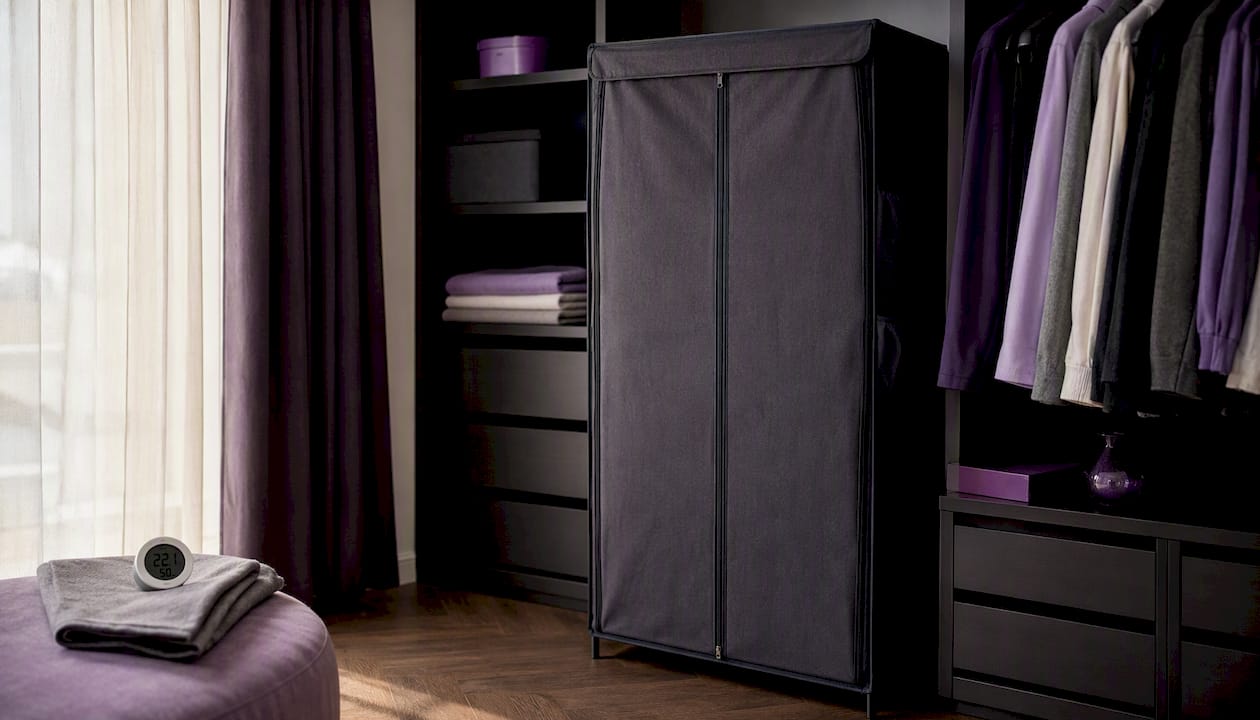
Storage matters more than most first-time buyers realize. A doll left in direct sunlight or extreme temperature swings will degrade faster regardless of material, which means a proper storage setup, like the discreet options covered in YouQDoll’s storage guide, is really an extension of your total cost of ownership rather than an optional afterthought.
Repairs are the wildcard. Minor issues like small tears or joint stiffness are usually manageable with basic repair kits. Larger structural problems, like a broken skeleton joint, may require professional repair or replacement parts, which is why warranty terms matter so much at purchase time. Budgeting an extra $50 to $150 a year for maintenance supplies and occasional repairs is a realistic expectation for most owners, regardless of which material you choose.
How to Start a Custom Order With YouQDoll
Youqdoll turns the pricing research you just did into a doll built around your actual specifications, not a generic catalog pick. Where other options force you into fixed configurations, Youqdoll lets you choose body type, skin tone, facial features, and hair color from the ground up, backed by discreet shipping and a satisfaction guarantee on every order.
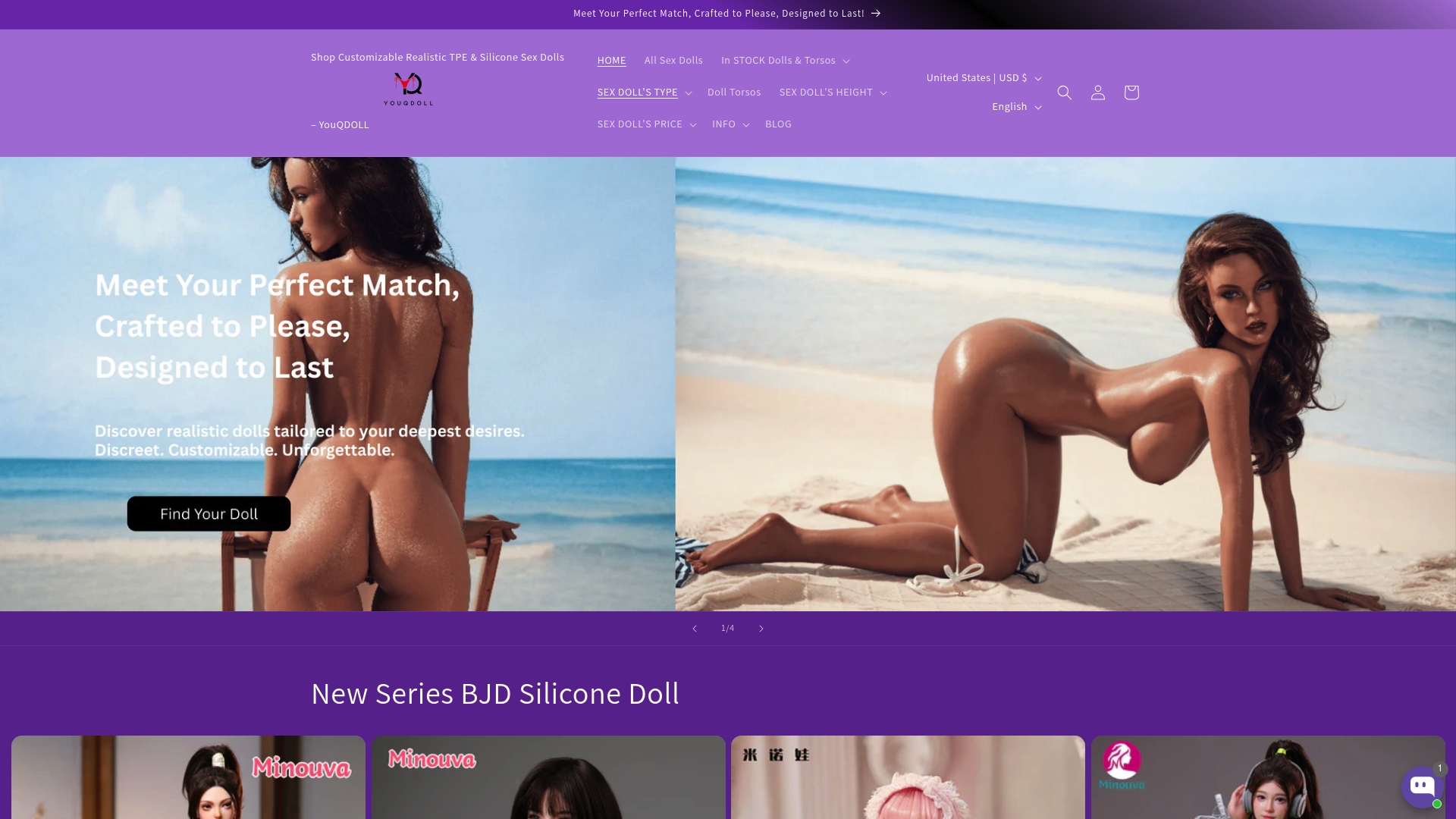
Starting is straightforward. Browse the common customization options to see what’s adjustable, then move to a specific product page like the Scarlett 166cm Silicone Sex Doll or the Tiffany 166cm Silicone Sex Doll to request your custom quote. You’ll receive production photos to approve before your order ships, so nothing about the final build is a surprise. If you’re still narrowing down size, check the full range of available sizes before locking in your spec.
The One Thing Buyers Get Wrong About Custom Doll Pricing
Most first-time buyers fixate on cosmetic add-ons, tattoos, eye color, wig style, when material and skeleton quality are what actually determine whether they’re happy with the purchase a year later. Spend your money there first, and treat cosmetic upgrades as the fun part you add once the foundation is right.
If there’s one habit worth building before you finalize any custom order, it’s this: request production photos and material swatches before final payment goes through. It costs you nothing but a short delay, and it’s the single easiest way to avoid an expensive surprise.
— Alfie
Sources
- TPE vs Silicone Sex Dolls: What’s the Difference? - Rocky Mountain Toy Review
- DollForum community discussions
- Trustpilot reviews (example marketplace vendor)