

How to Evaluate Silicone Doll Quality Before Buying
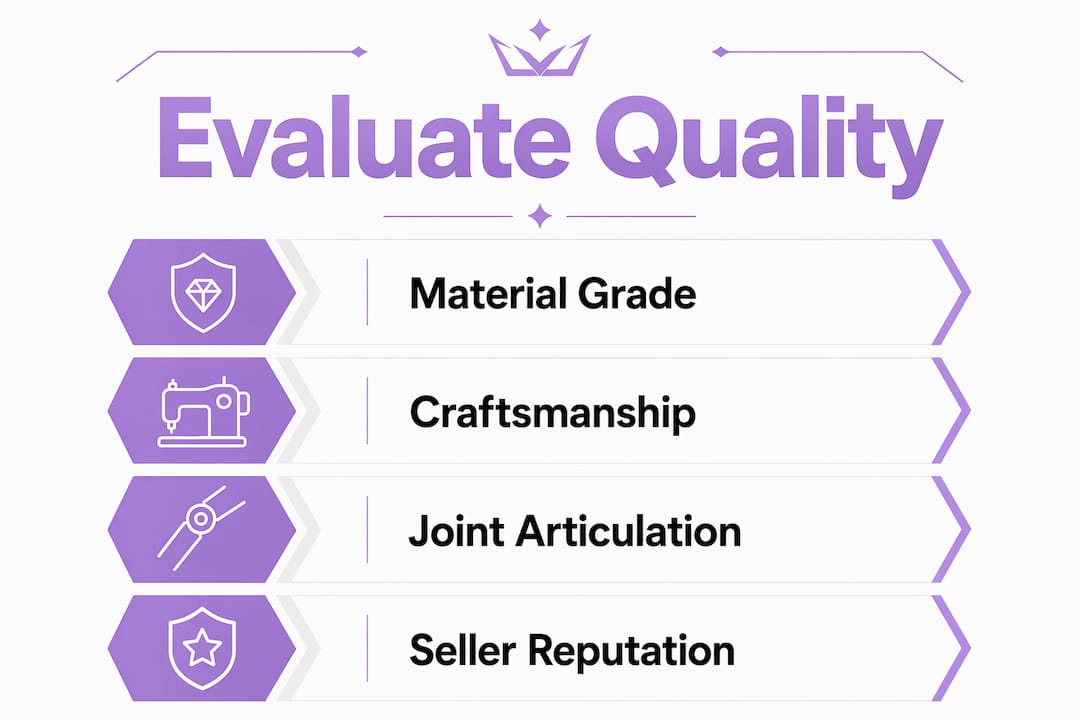
Evaluating silicone doll quality before buying means examining three things: material grade, craftsmanship detail, and structural integrity. Buyers who skip this step often end up with dolls that feel tacky, show visible seams, or lose their shape within months. The industry standard material is medical-grade platinum-cure silicone, which sets the baseline for safety, durability, and realistic feel. A solid evaluation also covers paintwork layers, joint articulation, weight distribution, and seller transparency. Get these right, and you get a doll built to last.
How to evaluate silicone doll quality before buying: materials first
Material quality is the single most important factor in any silicone doll purchase. Everything else, including paint, posing, and feel, depends on what the doll is made from.
Medical-grade platinum-cure silicone is the preferred material for premium dolls. It is durable, elastic, non-porous, and chemically stable. That means it resists tearing, holds its shape over time, and does not absorb bacteria or odors the way softer materials do.

TPE (thermoplastic elastomer) is softer and less expensive, but it requires more maintenance and degrades faster. Silicone is preferred by buyers who prioritize sculpt definition, posture stability, and a photography-ready appearance. TPE suits buyers who want a softer, more flexible feel and are willing to oil and powder the surface regularly. Neither material is universally superior. Your ownership goals determine the right choice.
Low-quality silicone shows up in specific ways. Watch for these red flags before you buy:
- Tackiness or stickiness on the surface, which signals poor curing or filler-heavy compounds
- Oily residue that transfers to hands or clothing, indicating unstable material chemistry
- Discoloration or blotchiness in the base material, not the paint layer
- Bubbles or pitting visible on the skin surface, caused by poor mold technique
- No material documentation from the seller, which is a major warning sign
Pricing reflects material quality directly. Entry-level dolls run $800–$2,000, mid-range models fall between $2,000–$4,500, and premium dolls start at $4,500 and go well above $8,000. That price spread reflects real differences in silicone grade, mold complexity, and finish quality.
Pro Tip: Ask the seller for a material data sheet or certification before purchasing. Legitimate manufacturers of medical-grade silicone products can provide documentation. If a seller cannot or will not share this, treat it as a disqualifying factor.
How craftsmanship details reveal true doll quality
Craftsmanship is where a technically sound doll becomes a genuinely impressive one. Two dolls made from the same silicone can look completely different based on how they were painted, detailed, and finished.
Multi-layered paint application creates realistic skin tone depth. A single flat coat looks artificial under direct light. Multiple translucent layers, applied to mimic the way real skin absorbs and reflects light, produce the depth and variation that makes a doll look genuinely lifelike. Check for subtle color variation across the face, hands, and body. Uniform, flat color is a sign of low-effort finishing.
Hair treatment is another clear quality marker. Rooted hair, where individual strands are implanted into the silicone, lasts longer and looks more realistic than painted hair. Rooted hair increases lifespan and authenticity compared to surface-painted alternatives. Painted hair chips, fades, and looks flat. Rooted hair moves naturally and holds up to handling.
Check these craftsmanship details before committing to a purchase:
- Seamlines: Visible mold seams along the neck, arms, or torso indicate poor mold alignment or rushed finishing. Premium dolls show seamless construction with no visible lines.
- Facial symmetry: Eyes, brows, and lips should be even and proportional. Asymmetry in facial features is a sign of inconsistent hand-finishing.
- Blush and shading: Cheeks, fingertips, and knees should show subtle, graduated color. Patchy or heavy blush looks unnatural and signals low-quality artistry.
- Nail detail: Fingernails and toenails should have defined edges and realistic coloring. Smeared or missing nail detail is a common flaw in budget dolls.
- Eye quality: Glass or acrylic eyes should sit flush and centered. Misaligned or cloudy eyes are a finishing defect that cannot be corrected after purchase.
High-quality silicone dolls hold up under close inspection. Low-quality dolls rely on flattering photography and controlled lighting to hide flaws. Always request photos taken in natural light from multiple angles.
What does joint articulation tell you about doll construction?
Joint design and weight distribution determine how a doll feels to hold, pose, and display. These factors separate a doll that looks good in photos from one that performs well in real use.
Premium dolls use multi-point articulation at the shoulders, elbows, wrists, hips, knees, and spine. Seamless joint articulation enables natural posture and stable positioning without the doll slumping or locking into rigid angles. A well-built skeleton holds a pose without external support. A cheaply built one wobbles, collapses, or resists movement entirely.
Weight is a quality signal that buyers often overlook. Balanced weight distribution, approximately 3–5 pounds per foot of doll height, improves the authenticity of how the doll feels when held or repositioned. That metric matters because a doll that is too light feels hollow and artificial. One that is unevenly weighted is awkward to handle and hard to pose convincingly.
Skeleton complexity also varies by price tier. Entry-level models use basic fixed-point skeletons with limited range of motion. Premium models offer articulated spines, shrugging shoulders, and standing-capable feet. Youqdoll’s premium silicone models include advanced skeleton options that support a wide range of natural poses.
Pro Tip: When reviewing seller videos or in-person, test joint movement by checking for smooth resistance. Joints should move with controlled tension, not snap, grind, or flop. Loose or wobbly joints indicate poor internal construction and will worsen with use.
How do you assess seller reputation before buying?
A great doll from a dishonest seller is still a bad purchase. Seller reputation determines whether you receive what you paid for, and what happens if something goes wrong.
Trusted sellers provide detailed photos, transparent policies, and clear warranty terms. Look for sellers who show multiple product photos taken in natural light, not just studio shots with heavy post-processing. Request timestamped photos or short videos of the specific doll you plan to buy. This confirms the doll exists as shown and has not been misrepresented.
Check these seller signals before purchasing:
- Verified customer reviews with photos, not just text ratings
- Clear return and repair policies for defects discovered after delivery
- Responsive communication with specific answers, not scripted replies
- Transparent shipping practices including discreet packaging confirmation
- Warranty terms that cover manufacturing defects for a defined period
Sellers with vague or no return policies are a serious risk, especially for intimate products at this price point. A legitimate seller stands behind their product. If a seller cannot explain their defect policy clearly, walk away.
What are common silicone doll quality issues to watch for?
Knowing what can go wrong helps you spot problems before they become expensive mistakes. Common quality issues include paint blotchiness, visible seams, sticky or oily silicone surfaces, weak joints, and unbalanced weight. Each of these points to a specific failure in the manufacturing process.
Material defects are the hardest to fix after purchase. Bubbles, tears, or surface pitting in the silicone cannot be repaired at home. Tacky or oily surfaces indicate improper curing and will not improve over time. A strong chemical smell that persists after unpacking suggests unsafe manufacturing materials or processes.
Paint and finish defects are more visible but equally problematic. Uneven coverage, peeling edges, or blotchy blush work signals rushed finishing. These flaws become more obvious under natural light and worsen with handling. Joint issues, including stiffness that prevents posing or looseness that causes slumping, affect daily usability and indicate poor internal construction.
Evaluating based on personal ownership goals, whether that is display, photography, or tactile experience, leads to better decisions than focusing on price or surface softness alone. A doll that excels in one area may underperform in another. Know what matters most to you before you buy.
Key Takeaways
Evaluating silicone doll quality requires checking material grade, craftsmanship detail, joint construction, and seller reliability before any purchase decision.
| Point | Details |
|---|---|
| Material grade matters most | Medical-grade platinum-cure silicone is the industry standard for safety, durability, and realism. |
| Craftsmanship reveals quality | Multi-layered paint and rooted hair signal premium finishing; flat color and painted hair do not. |
| Weight and joints signal build quality | Balanced weight (3–5 lbs per foot) and smooth multi-point joints indicate a well-built doll. |
| Seller transparency is non-negotiable | Request timestamped photos, clear return policies, and material documentation before buying. |
| Match the doll to your goals | Silicone suits display and photography; your ownership priorities should drive the final choice. |
What I’ve learned from evaluating silicone dolls up close
Most buyers focus on photos. That is the wrong starting point. Photos are the easiest thing to manipulate, and sellers who rely on studio lighting and post-processing know exactly how to hide seams, uneven paint, and surface defects. The buyers who walk away satisfied are the ones who asked harder questions before clicking purchase.
Material authenticity overrides every marketing claim. A seller can describe their product as “premium” or “lifelike” without those words meaning anything specific. The only meaningful answer is the material grade and whether documentation backs it up. If it does not, the price tag tells you nothing.
I have also seen buyers set unrealistic expectations based on promotional imagery. Real dolls, even excellent ones, look different under natural light than they do in a styled photoshoot. Request unedited photos. Ask for video. Compare what you see against the silicone doll care requirements to understand what long-term ownership actually involves.
Patience pays off here. The buyers who rush because a deal looks good are the ones who post regret reviews. The buyers who spend two extra weeks asking questions, comparing construction details, and verifying seller policies almost always end up with a doll they are genuinely happy with.
— Alfie
Youqdoll makes quality evaluation straightforward
Youqdoll builds every doll with medical-grade platinum-cure silicone and provides detailed product specifications so you know exactly what you are getting. Customization options cover body type, skin tone, facial features, and hair, with clear documentation available for buyers who want to verify material standards.

Every Youqdoll purchase comes with discreet shipping and a 100% satisfaction guarantee. The best-selling collection showcases models with verified craftsmanship, realistic joint articulation, and multi-layered finishing. Buyers who want mid-to-premium tier options with advanced customization can browse the $2,000+ collection for dolls that meet the highest construction standards. Youqdoll’s team responds to pre-purchase questions directly, so you can get the answers you need before committing.
FAQ
What material should a quality silicone doll be made from?
Medical-grade platinum-cure silicone is the industry standard for premium dolls. It is durable, non-porous, and chemically stable, making it safer and longer-lasting than lower-grade alternatives.
How is silicone doll quality measured?
Quality is measured across four areas: material grade, paint and finish craftsmanship, joint articulation and weight distribution, and seller transparency. Each factor contributes to how the doll looks, feels, and holds up over time.
What is the difference between silicone and TPE doll quality?
Silicone offers superior sculpt definition, posture stability, and a photography-ready finish. TPE is softer and more flexible but requires more maintenance and degrades faster with regular use.
What are the most common quality defects in silicone dolls?
The most common defects include tacky or oily surfaces, visible mold seams, uneven paint coverage, weak or loose joints, and persistent chemical odors. These issues indicate poor manufacturing and cannot be corrected after purchase.
How do I verify a seller is trustworthy before buying?
Request timestamped photos of the specific doll, review the seller’s return and defect policy in writing, and check verified customer reviews that include photos. Sellers who cannot provide these are not worth the risk.