

Sex Doll Outfit Ideas: Styles, Fit, and Fabric Safety
The fastest way to great sex doll outfits comes down to three moves: pick a category that fits the mood you want, test the fabric before it ever touches skin, and finish with accessories. Lean toward lingerie, casual wear, cosplay, swimwear, and formal pieces as your five starting categories. Before anything goes on for good, run a quick dye test and skip long stretches in anything tight or heavy.
TL;DR:
- Use fabric dye tests to prevent permanent stains by washing and rubbing fabrics before putting them on the doll, especially dark or cheap textiles.
- Measure the doll accurately and choose stretch fabrics for easier fitting, avoiding stiff wovens that require alteration.
- Accessories such as layered jewelry and textured wigs enhance visual appeal and photography, but avoid prolonged contact with seams and paint.
- Rotate fitted or structured garments after a few hours of display to prevent skin impressions and store the doll properly to avoid pressure marks.
- Build a versatile wardrobe by focusing on core pieces for each category and layering wigs, jewelry, and props to create multiple looks from limited garments.
Table of Contents
- Sex Doll Outfit Ideas by Category
- Fabric Choices That Won’t Stain Your Doll
- Measuring Your Doll for a Reliable Fit
- No-Sew and Sewing Fixes for a Better Fit
- Accessories, Layering, and Photography Tips
- Care, Storage, and Wear-Time Guidelines
- The Practitioner’s Quick-Check List
- Material Sensitivities Beyond Staining
- Why Styling a Doll Is Part of the Appeal
- Style-Ready Dolls Built for Easy Outfit Changes
- Sources
Sex Doll Outfit Ideas by Category
Every great wardrobe starts with a core piece, then builds outward with shoes, layers, and small finishing touches. That sequence, starting with a core piece and layering up, is the fastest route to variety without buying dozens of full outfits. Here’s how that plays out across the categories most owners reach for first.
1. Lingerie and intimate sets
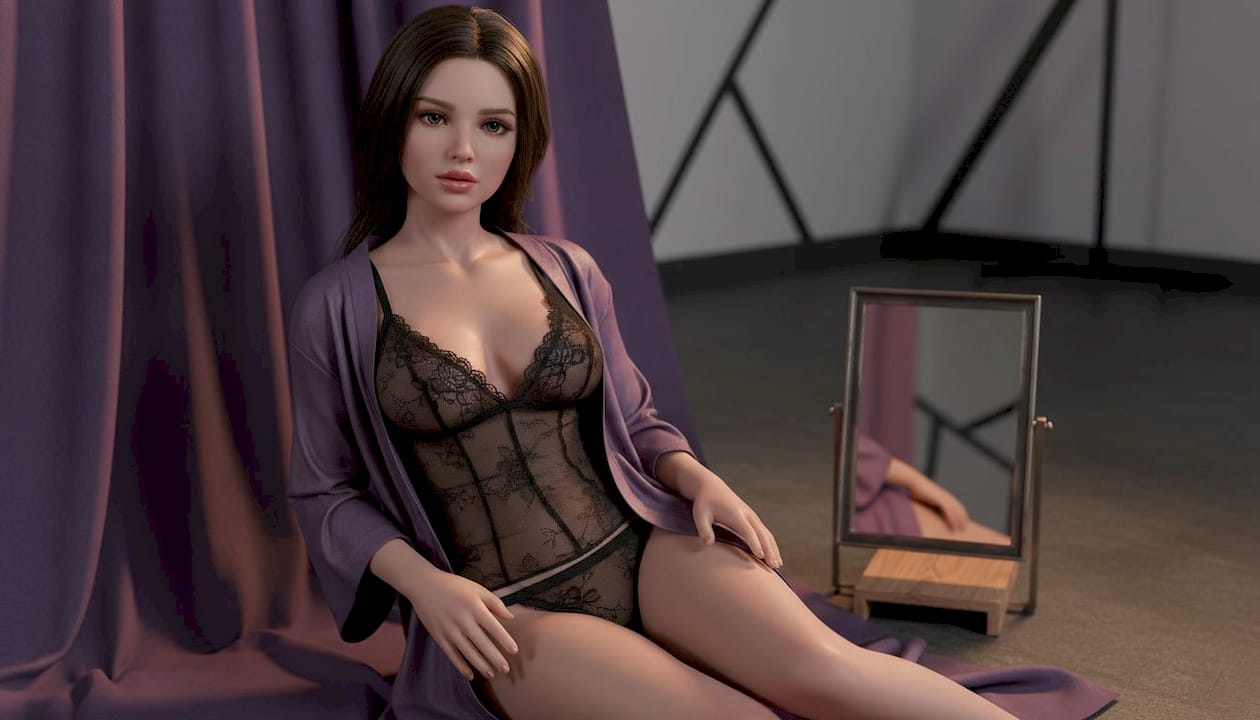
Bra-and-panty sets, bodysuits, and garter belts remain the most requested category for good reason: they photograph well and fit most standard doll proportions without alteration. A silk-blend robe draped open over a set adds drama for photos and covers seams if the fit runs slightly loose. Stick with soft-cup styles over underwire when possible. Underwire can press hard against silicone over time.
2. Casual and everyday looks
Crop tops paired with high-waisted skirts or shorts give a relaxed, human silhouette. Oversized sweaters work especially well on slimmer doll frames because the loose cut hides any sizing gap at the shoulders. Athletic wear, leggings plus a sports bra, is one of the more forgiving categories since stretch fabric adapts to a doll’s fixed proportions better than woven cotton does. Pair casual looks with flat sandals or sneakers rather than heels; flats reduce strain on ankle joints during standing poses.

3. Cosplay and themed costumes
Maid outfits, nurse uniforms, school uniforms, and anime-inspired fantasy pieces sit consistently among the top costume categories doll owners buy. What separates a convincing cosplay look from a costume-store knockoff is usually the wig and the props, not the garment itself. A themed wig, cat ears, a prop wand, or a name tag does more visual work than an expensive costume alone.
4. Swimwear and beach styling
Bikinis, one-piece suits, and sheer cover-ups suit dolls displayed in warm-weather settings or used for themed photo sets. If you’re shooting outdoors, skip actual sunscreen on the doll’s skin. It can interact poorly with silicone and TPE surfaces over repeated use. A matte finishing spray made for doll skin achieves a similar “sun-kissed” look without the chemical risk.
5. Formal and evening wear
A little black dress remains the most versatile formal piece because it works across body types and doesn’t require exact tailoring. Full-length gowns look striking in photos but often need hemming since most are cut for average human height, not a doll’s proportions. Skip stiletto heels for standing displays; opt for lower block heels or heel-less flats designed for doll feet, since thin heels concentrate weight unevenly on foot joints. Keep jewelry minimal here: one statement piece reads as more expensive than five small ones stacked together.
6. Seasonal and holiday looks
A bunny suit for Halloween, a chunky holiday sweater for December, or a light sundress for summer keeps a wardrobe feeling current without buying full seasonal collections. For dolls on the smaller end of the size range, children’s costume pieces sometimes fit better through the shoulders and waist than adult small sizes. Just check fabric content first since kids’ costumes often use cheap synthetic blends prone to bleeding dye.
Pro Tip: Buy one strong “core” piece per category, a solid-color dress, a plain bikini, a basic bodysuit, then rotate wigs, jewelry, and props around it. You’ll get ten distinct looks out of four garments instead of shopping for ten separate outfits.
Fabric Choices That Won’t Stain Your Doll
Dye transfer is the single most common way owners accidentally damage their doll’s skin, and it’s almost entirely preventable. Silicone and TPE are both porous at a microscopic level, which means fabric dye, especially from cheap, dark, or poorly manufactured garments, can migrate into the material and leave a permanent stain. Denim, red lace, and black stretch fabrics are the worst repeat offenders because they’re dyed with pigments that aren’t fully fixed during manufacturing.
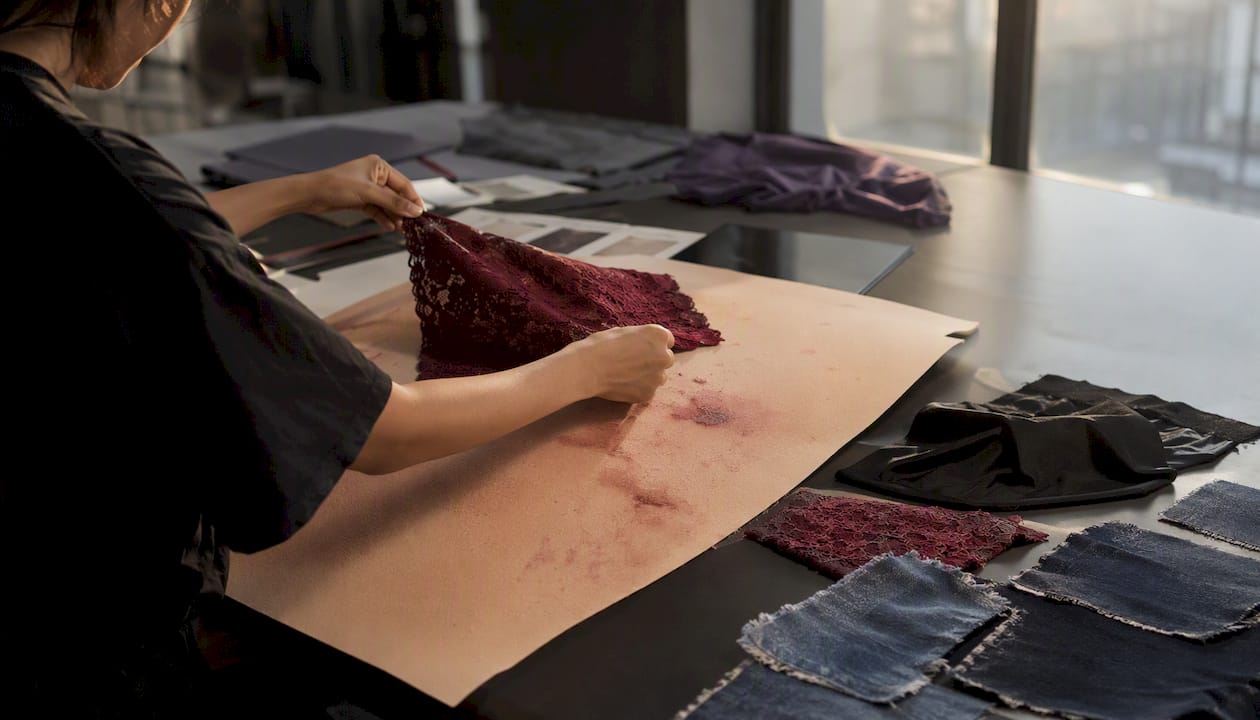
Cheaper and darker fabrics bleed more readily than lighter, higher-quality textiles, so a five-minute test before first wear saves you from a stain that no cleaning routine will fully lift.
Run this test on anything dark, cheap, or unfamiliar before it ever touches your doll:
- Wash the garment two or three times and check if the rinse water still runs colored.
- Rub a damp white cotton cloth firmly against the fabric’s surface and check for color transfer.
- If any color comes off on the cloth after multiple washes, don’t put that garment on your doll.
- Slip a thin cotton or nylon liner underneath any dark or unfamiliar fabric as a buffer layer.
- Favor light cottons and pre-tested silk blends for anything that will see extended wear time.
One risk worth flagging directly: testing dark fabrics through repeated washing and a damp-cloth rub catches most bad dye jobs before they cause permanent damage. It’s the single cheapest insurance policy in this entire hobby. Beyond dye, watch hardware, too: metal snaps, zippers, and belt buckles left pressed against skin during long storage can leave faint impressions if there’s any added weight or pressure involved. Our material safety guide breaks down the difference in porosity between silicone and TPE if you want the fuller picture.
Measuring Your Doll for a Reliable Fit
Guessing at sizes wastes money on clothes that gap at the waist or strangle at the shoulders. Take these measurements with a soft tape measure, and write them down somewhere you’ll actually find them again:
- Height, from crown to heel, standing as straight as the joints allow.
- Bust or chest, measured around the fullest point, noting that silicone busts can measure larger than the same cup size in human bras.
- Waist, at the narrowest point, usually just above the navel.
- Hips, around the widest point of the lower body.
- Inseam or leg length, from crotch to ankle, useful for pants and skirts.
- Shoulder width, across the back from shoulder joint to shoulder joint.
- Neck, only necessary for collared pieces or choker-style jewelry.
Two common mistakes throw these numbers off. Rounded silicone breasts measure differently depending on where the tape sits, so measure at the same point every time. Flexible joints also mean a doll’s “resting” measurement can shift slightly depending on pose, so measure in the position she’ll actually wear the outfit in.
Once you have real numbers, try building a small three-by-three starter set: three tops, three bottoms, three accessory sets that mix and match into far more combinations than nine separate outfits would suggest. For anything close to a size boundary, stretch fabrics (jersey, spandex blends) forgive small measurement errors far better than stiff wovens, which usually need alteration or custom sewing to fit right.
No-Sew and Sewing Fixes for a Better Fit
Off-the-rack clothing rarely fits a doll’s proportions exactly, but you don’t need a sewing machine to fix most of it. Elastic thread run through a waistband tightens a loose skirt in minutes. Small fabric clips, double-sided fabric tape, or a few strategically placed snaps can take in a gaping neckline without a single stitch.
For anyone comfortable with a needle, small-scale garment construction uses the same basic principles as full-size sewing: taking in side seams, shortening hems, and adding micro snaps where buttons would be too bulky. Lining fragile or sheer fabrics with a plain cotton backing also protects the doll’s skin from any texture that might otherwise leave temporary marks. Look for small-scale prints and lightweight woven cotton when buying or cutting fabric from scratch. A print scaled for adult humans will look cartoonish on a smaller frame.
Pro Tip: Baby and toddler clothing sometimes fits smaller doll torsos surprisingly well, but check the fabric content tag first. A lot of infant clothing uses cheap synthetic dye that hasn’t been tested for bleed risk the way adult garments have.
Keep a basic kit on hand: fabric scissors, elastic thread, a seam ripper, double-sided fabric tape, and a pack of assorted snaps. That covers nearly every quick fix you’ll need without a full sewing setup.
Accessories, Layering, and Photography Tips
A great outfit and a forgettable one usually differ by three or four small choices, not the garment itself. Follow a simple color rule: one primary color, one secondary, and one accent, then mix textures, a matte sweater against a glossy skirt reads as more intentional than an outfit built entirely from one fabric finish.
- Real-metal miniature jewelry catches light more convincingly than plastic, and layering real-metal pieces is a favored technique among enthusiasts going into 2026 for exactly that reason.
- Keep metal jewelry away from any area with visible seams or paint detailing, since repeated contact can wear down painted finishes over time.
- Check wig caps for a snug but not overly tight fit. A cap that’s too small will shift during posing; one that’s too loose rubs against the scalp seam and can wear it down.
- For photos, soft, diffused light (a window with sheer curtains, or a ring light bounced off a wall) flatters fabric texture far better than direct overhead lighting, which flattens detail and creates harsh shadows.
- Simple props, a book, a coffee cup, a plant, ground a pose and make an outfit look styled rather than staged.
Care, Storage, and Wear-Time Guidelines
Tight or heavy garments left on for days at a time are the leading cause of skin impressions that don’t fully bounce back. A good rule: rotate anything fitted or structured (corsets, tight jeans, heavy costume pieces) off the doll after a few hours of display and let the skin rest before the next outfit goes on.
- Store dressed dolls lying flat or on a supportive stand rather than sitting, which concentrates weight on a single seam line over time.
- Remove heavy costume pieces, boots, or structured jackets before long-term storage, and pad any pressure points with soft cloth.
- Wipe down exposed skin around necklines and cuffs after removing an outfit, since fabric friction can leave a light residue even when no dye transfer occurs.
- Wash removable garments separately from your own laundry, especially anything that failed even a partial dye test.
- If you notice a mark that doesn’t fade within a day or two, check a doll care and lifespan guide before assuming it’s permanent. Some surface marks resolve on their own with rest and gentle care.
The Practitioner’s Quick-Check List
Run through this before any outfit goes on for more than a quick photo: test the fabric for dye bleed, cap tight or structured pieces at a few hours, pad anything heavy during display, and confirm wigs sit snug without pulling at the cap seam. YouQDOLL builds its dolls around exactly this kind of styling flexibility, with detachable-wig heads and skin-safe material choices that hold up to frequent outfit changes without the guesswork.
Material Sensitivities Beyond Staining
Dye transfer isn’t the only risk worth watching. Some fabric treatments, particularly flame-retardant coatings on cheap costume synthetics and certain leather-alternative vinyls, contain chemical finishes that can react with the plasticizers in TPE over prolonged contact, leaving a tacky or slightly degraded patch on the skin’s surface. This isn’t an allergic reaction in the way it would affect a person, but it’s a real chemical interaction between two synthetic materials sitting against each other for too long.
If you or a partner have sensitive skin and plan to remove clothing during use, treat any new garment the way you’d treat new bedding: wash it once before first contact to strip out manufacturing residues, sizing chemicals, and loose dye particles. Costume jewelry poses a separate issue: cheap metal alloys, often nickel-heavy, can leave a greenish tarnish mark on skin-adjacent fabric or, in rare cases, on the doll’s surface itself if left in prolonged contact with moisture. Sticking with real metal or high-quality plated pieces avoids this entirely.
Vinyl and pleather costume pieces deserve extra caution in general. They trap heat and moisture against the surface far more than cotton or silk does, which can soften certain TPE blends with extended wear. Treat vinyl costumes as short-session pieces for photos, not long-term wardrobe staples, and you’ll avoid the issue altogether.
Why Styling a Doll Is Part of the Appeal
Dressing a doll is one of the few parts of ownership that’s pure creativity, no maintenance schedule, no upkeep checklist, just building a look that feels right. Owners who treat outfit changes as a hobby in themselves tend to get more long-term satisfaction out of their doll than those who leave it in one outfit indefinitely. My honest advice: test every fabric before it matters, give tight pieces a rest, and let the styling stay fun instead of stressful. The care habits are simple once they’re routine, and they’re what let the creative side actually last.
— Alfie
Style-Ready Dolls Built for Easy Outfit Changes
Every outfit idea in this guide works best on a doll built to handle frequent changes without wear and tear, and that’s exactly where YouQDOLL’s customizable silicone and TPE dolls earn their keep. Detachable-wig heads mean you can switch from a sleek bob to a costume wig in seconds without stressing a fixed hairline, and in-stock torso options give you a styling-ready canvas without waiting on a full custom build.

If you’re picturing a wardrobe rotation like the ones above, a model like the Scarlett 166cm silicone doll gives you the proportions and skin-safe material this kind of styling calls for, backed by YouQDOLL’s satisfaction guarantee. Browse the current lineup and pick the build that matches the looks you want to create first.
Sources
For deeper how-to detail beyond this guide, check the step-by-step outfit-building method, small-scale sewing techniques for doll garments, and YouQDOLL’s own cleaning and care guide for maintaining dressed dolls between wears.
- Sex Doll Outfits: How to Dress & Style Your Doll
- How to build a complete doll outfit: Step-by-step guide – niannyyhouse
- Leahday
- Jewellery layering spring/summer 2026 trend — Marie Claire